
Flowdown Requirements: What They Are and Why They Matter
If you operate in aerospace, defense, medical device, or other regulated industries, you’ve encountered flowdown requirements in contracts, purchase orders, or supplier agreements.
They are not optional.
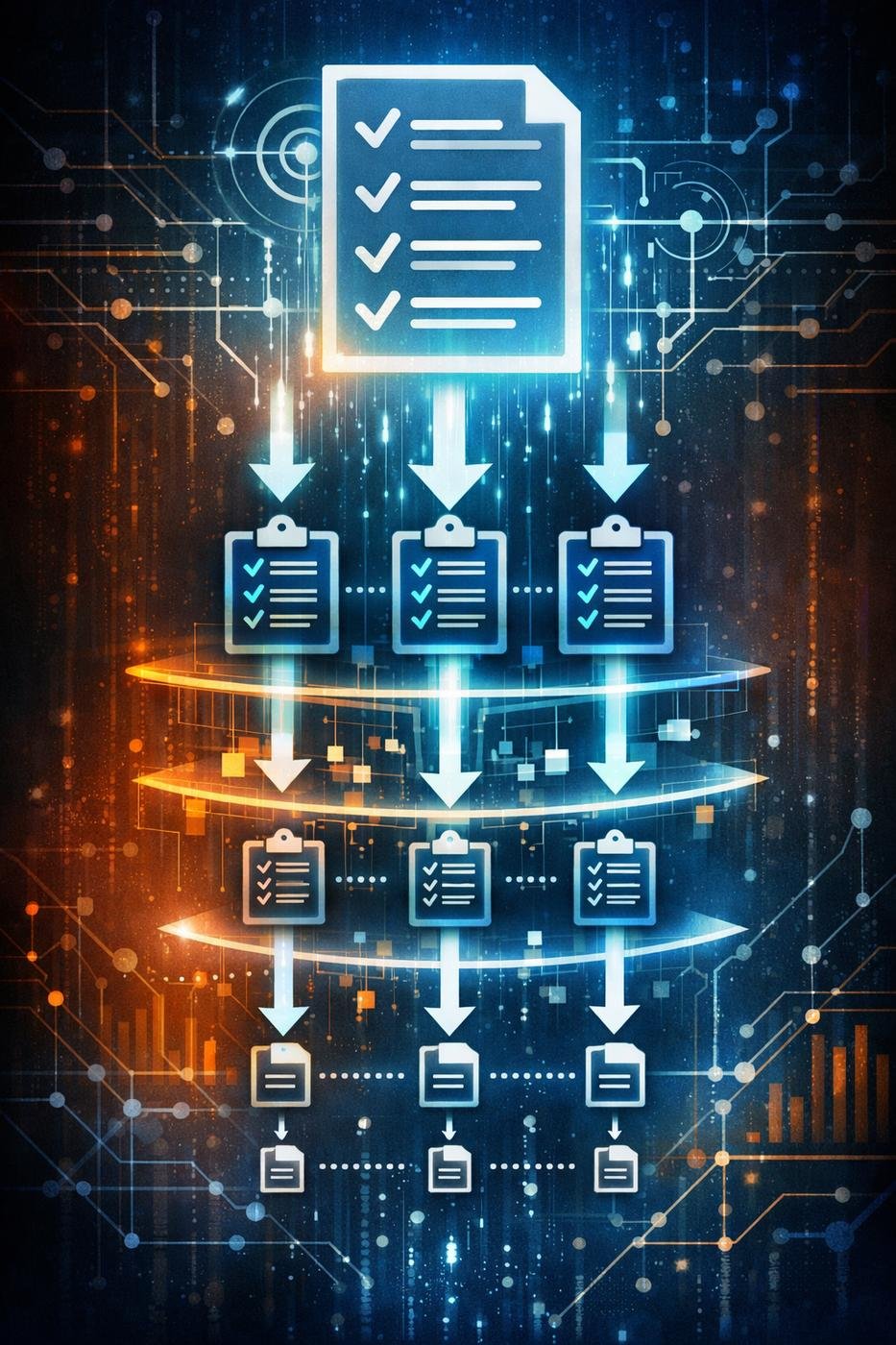
Flowdown requirements are contractual obligations passed from a prime contractor or customer down through the supply chain. If they are not implemented correctly, the consequences can include rejected parts, audit findings, removal from approved supplier lists, or contract termination.
At Wintersmith Advisory, we help organizations build structured systems that manage flowdown requirements accurately, consistently, and defensibly.
What Are Flowdown Requirements?
Flowdown requirements are:
Customer-imposed contractual obligations
Regulatory clauses that must be passed to suppliers
Quality, safety, or compliance provisions that cascade through tiers
Special process, traceability, or documentation mandates
In aerospace and defense environments, flowdown requirements often include:
AS9100 clause adherence
Configuration management controls
Counterfeit parts prevention
Special process approvals
First Article Inspection requirements
Export control obligations
Product safety provisions
Record retention periods
If you accept a contract containing specific clauses, you are responsible for flowing applicable requirements to your suppliers.
Where Flowdown Requirements Appear
Flowdown requirements are commonly embedded within:
Prime contractor purchase orders
Long-term agreements
Supplier quality manuals
Defense contracts
Technical data packages
Statements of Work (SOW)
Special clauses and appendices
They are frequently buried within terms and conditions. If contract review is superficial, they are missed.
Failure to identify them early creates compliance exposure.
Why Flowdown Requirements Create Risk
Organizations struggle with flowdown management because:
Contracts are reviewed only by sales or legal
Quality teams are not involved early
Clauses are not mapped to internal procedures
Suppliers are not formally notified
Requirements are not incorporated into purchase orders
Documentation controls are inconsistent
Without structure, flowdown requirements become invisible liabilities.
In aerospace organizations pursuing AS9100 Certification Consultant support, weak flowdown controls are one of the most common audit findings.
Common Examples of Flowdown Requirements
In regulated industries, flowdown clauses may include:
Quality System Compliance
Suppliers must maintain certification to defined standards or meet specific clause requirements.
Special Process Controls
Use of approved special process providers or Nadcap-accredited facilities.
Configuration & Change Control
Restrictions on product changes without formal customer approval.
Traceability
Full lot traceability of materials and components.
Counterfeit Prevention
Mandatory counterfeit parts prevention procedures.
Record Retention
Specified retention periods — often 10 to 30 years.
Access Rights
Customer or regulatory access to facilities and records.
Export Compliance
ITAR/EAR handling restrictions and data control requirements.
These obligations must be formally communicated, documented, and verified.
How to Manage Flowdown Requirements Effectively
1. Contract Review Integration
Before accepting work:
Identify all customer clauses
Determine applicability
Map requirements to internal procedures
Confirm capability to comply
Document acceptance decisions
Flowdown management begins before contract signature.
Organizations implementing structured review controls under ISO Management System Consulting frameworks typically reduce downstream nonconformities significantly.
2. Requirement Mapping & Register
Establish a formal flowdown register that includes:
Clause reference
Source document
Applicability determination
Responsible function
Linked internal procedure
Supplier flowdown requirement
Verification method
Without centralized visibility, accountability breaks down.
3. Supplier Communication
Flowdown requirements must be:
Explicitly incorporated into purchase orders
Referenced in supplier agreements
Embedded within supplier quality manuals
Communicated during onboarding
Verbal communication is not control.
4. Verification & Monitoring
Effective management requires:
Supplier audits
Performance monitoring
Documentation review
Evidence of compliance
Corrective action tracking
Passing requirements downstream does not remove accountability.
Organizations strengthening supplier oversight often align this work with broader AS9100 Implementation Services initiatives.
5. Internal Audit Oversight
Internal audits should verify:
Contract review effectiveness
Flowdown accuracy
Supplier acknowledgment
Record retention compliance
Change control enforcement
If internal audits ignore flowdown controls, certification auditors will not.
Formal training through ISO Internal Auditor Training ensures auditors know how to test contractual compliance effectively.
Flowdown Requirements in Aerospace
Under AS9100, organizations are expected to:
Review customer requirements thoroughly
Flow applicable requirements to external providers
Ensure suppliers understand critical characteristics
Verify supplier performance
Maintain documented evidence
Improper flowdown management is one of the most frequent nonconformities in aerospace certification audits.
For organizations evaluating certification readiness, understanding the AS9100 Certification Process is critical.
Flowdown Requirements in Defense Contracts
In defense and government contracting environments, flowdown requirements often include:
DFARS clauses
Cybersecurity compliance requirements
Export control restrictions
Counterfeit electronic part prevention
Specialty metals compliance
Access and audit rights
Cybersecurity-related flowdowns increasingly intersect with CMMC 2.0 Compliance Consulting expectations.
These clauses carry legal and financial consequences if ignored.
Common Flowdown Failures
Typical breakdowns include:
Missing clauses on supplier purchase orders
Outdated contract templates
Inconsistent revision control
No formal supplier acknowledgment
Informal change communication
Incomplete record retention tracking
These failures usually surface during certification audits, customer assessments, or regulatory reviews.
How Wintersmith Advisory Helps
We support organizations by:
Reviewing contracts for hidden flowdown clauses
Building formal flowdown registers
Integrating requirements into QMS documentation
Updating purchase order templates
Strengthening supplier communication frameworks
Conducting supplier oversight audits
Aligning flowdown controls with aerospace and ISO standards
We build systems that prevent downstream risk — not paperwork that sits on a shelf.
Frequently Asked Questions
Are flowdown requirements legally binding?
Yes. Once accepted in a contract, they become enforceable obligations.
Do all requirements need to be flowed to suppliers?
Only applicable requirements — but applicability must be formally evaluated and documented.
Can small suppliers manage flowdown requirements?
Yes. Structure, clarity, and documentation — not company size — determine compliance capability.
How often should flowdown registers be reviewed?
At minimum during contract review and through periodic internal audit cycles.
Build Control Over Flowdown Requirements
If you are researching flowdown requirements, you already understand the risk of unmanaged contractual obligations.
Flowdown is not administrative detail.
It is supply chain accountability.
Wintersmith Advisory helps organizations design structured, auditable systems that manage contractual obligations with discipline and confidence.
If You’re Also Evaluating…
Strategic compliance requires alignment across contracts, quality systems, supplier oversight, and audit discipline.
Contact us.
info@wintersmithadvisory.com
(801) 477-6329